Block AI-Generated Phishing Links Targeting Taiwan Research Staff
Cisco Talos reveals a sophisticated spear-phishing campaign using AI to mimic legitimate academic events and steal credentials in real time.

Key points
- Attackers are targeting individuals affiliated with Taiwan research organisations.
- The campaign uses AI-generated content impersonating reputable academic institutions.
- Phishing pages utilise Account takeover via Man-in-the-Middle techniques for real-time credential theft.
Researchers at Cisco Talos have identified a new advanced persistent threat (APT) campaign that is actively targeting personnel within Taiwan’s research sector. The operation relies on highly convincing, artificial intelligence-assisted phishing emails that impersonate legitimate public events and respected policy institutions to lure victims into revealing their login details.
How does the attack work?
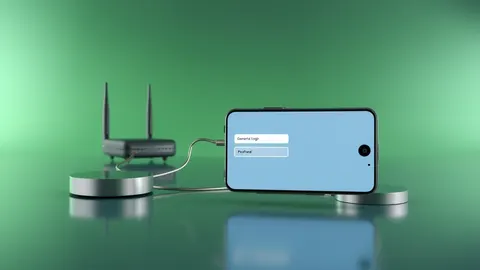
The threat actors behind this campaign, tracked by Cisco Talos as UAT-11985, are employing a technique known as Account takeover via Man-in-the-Middle (AitM). This method allows attackers to intercept and steal session cookies and credentials in real time as users attempt to log in to what they believe are legitimate services. By capturing this data instantly, the attackers can bypass multi-factor authentication mechanisms that would otherwise protect the accounts, granting them immediate access to the compromised systems.
Who is being targeted?
The primary victims of this spear-phishing effort are individuals affiliated with research organisations in Taiwan. According to the first-hand research published by Cisco Talos, the attackers are not casting a wide net but are instead focusing on specific professional groups. The campaign leverages the professional nature of these targets by impersonating reputable academic and policy institutions, making the malicious communications appear highly relevant and trustworthy to the recipients.
What makes this campaign different?
The distinguishing feature of this operation is the use of artificial intelligence to generate the phishing content. Rather than using static, poorly translated templates, the attackers are creating dynamic, context-aware lures based on legitimate public event themes. This AI assistance allows the threat actors to produce convincing invitations and updates that align with current academic or policy discussions, significantly increasing the likelihood that a victim will click on the malicious link. The impersonation of well-known institutions adds a layer of authority that lowers the victim's guard.
What should organisations do now?
Cisco Talos has not confirmed the release of a specific patch or software update to mitigate this social engineering attack. Therefore, organisations should focus on defensive measures that address the human element of the threat. Security teams should monitor for unusual login activity, particularly from unexpected locations or devices. Users should be reminded to verify the authenticity of event invitations through official channels rather than clicking links directly from emails. Implementing stricter access controls and monitoring for real-time credential theft indicators can also help limit the damage if an account is compromised.
What to do and how to stay safe: Cisco Talos
- Unique passwords prevent credential stuffing attacks across multiple accounts.
- The master password is the single point of failure; it must be memorised, not stored.
- Multi-factor authentication on the vault is mandatory to protect against stolen master keys.
Password managers are safe when you use a unique, memorised master password and enable multi-factor authentication. Secure your vault today by auditing your current settings and removing any saved passwords for suspicious or unused accounts.
Step-by-step guide: Is It Safe to Use Password Managers? The Real Risks and Rewards
General security guidance from the DarkWeb Dispatch newsroom. It is not confirmed advice from the organisations named in this story.
Frequently asked questions
What is the name of the threat actor group behind this attack?
Cisco Talos tracks this operation under the identifier UAT-11985.
Which specific institutions are being impersonated?
The attackers are impersonating reputable academic and policy institutions, though specific names are not detailed in the summary.
Is there a software fix available for this vulnerability?
No fix has been confirmed yet, as this is a phishing campaign rather than a software vulnerability.