
Cyber Attacks
Check Fortinet Devices for PeerStitch Implant After Telecom Breach
A state-linked group used patched Fortinet flaws to steal firewall configs and install a hidden memory-resident tool on network gear.
The DarkWeb Dispatch Intrusion Desk is the part of the DarkWeb Dispatch newsroom that covers attacks, malware, scams and the groups behind them. It is a newsroom desk, not a single person. Sections: Cyber Attacks, Malware & Ransomware, Threat Intelligence. Stories start from more than 150 monitored sources. Drafts are prepared with AI assistance and checked by software against the cited sources before they are published. It has published 21 articles so far. See the editorial policy or report an error.
A state-linked group used patched Fortinet flaws to steal firewall configs and install a hidden memory-resident tool on network gear.

Dubai Police arrested eight people for a scheme that swapped foreign licences for UAE permits without tests, charging customers AED 10,000 each.
Malware servers linked to the Storm-2945 cluster continue delivering payloads weeks after initial disclosure, requiring users to inspect system shortcuts.

Compromised vendor credentials allow attackers to access Microsoft 365 data across many tenants. Users should disable the application immediately to stop unauthorized access.

Site owners using Rank Math SEO PRO 3.0.123 installed between 15 and 16 October 2026 must verify their files for malicious code.

Ransomware groups are escalating tactics to include stalking and violence against staff, making personal safety a critical concern for employees.

Arch Linux users who installed fake yay or paru packages may have granted attackers full root control of their systems via malicious scripts.

Security researchers say an Israeli ad firm helped deliver zero-click spyware to journalists, including staff at Al Jazeera, without any user interaction.

Researchers confirm that simply viewing targeted online advertisements can install mercenary spyware on devices without any user interaction or clicks.

Researchers found that Candiru used online advertising networks to deliver surveillance tools to journalists without requiring any clicks.

Attackers installed unauthorised bandwidth-sharing apps on compromised network gear across 34 countries to resell internet connections.
Malwarebytes has launched a free utility that scans URLs for phishing and malware threats before users click, helping to protect personal data and accounts.
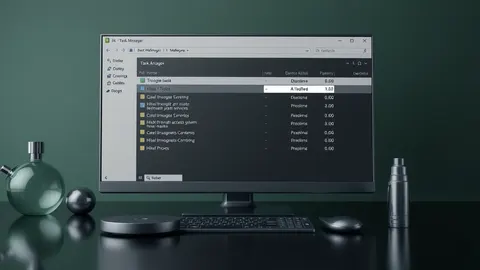
Group-IB analysis reveals KGB RAT malware steals credentials and controls Windows PCs while hiding behind familiar system process names.
A real-time relay attack targets Taiwan researchers, stealing sessions by mirroring Google’s login process via WebSockets.

Bloomberg reports that artificial intelligence is lowering costs for fraudsters, allowing them to move fake investment schemes out of fortified Asian compounds.

French grocers report frozen goods spoiled after attackers hijacked remote controls for cooling systems.

Our data desk analysis of public trackers shows N0N ransomware operators filed 14 unverified leak-site claims within 24 hours, leading activity for that period.

Russian tech giant Yandex says its Sasovo cloud zone is offline following a drone attack, with no near-term fix confirmed for affected users.

US authorities seized hacking tools linked to China’s Integrity Tech, which scanned critical infrastructure using a massive botnet of infected IoT devices.

North Korean-linked actors used a trojanised Terraform provider in July 2026 to deploy FLATROOF and ROOFDECK malware across developer systems.

Cisco Talos reveals a sophisticated spear-phishing campaign using AI to mimic legitimate academic events and steal credentials in real time.