
Malware & Ransomware
Check for Midnight Blizzard Shortcuts and PowerShell Stagers on Your PC
Malware servers linked to the Storm-2945 cluster continue delivering payloads weeks after initial disclosure, requiring users to inspect system shortcuts.
Malware & Ransomware coverage from DarkWeb Dispatch holds 23 articles, 14 of them reference guides. The newest was published on October 18, 2026. New stories are added as soon as they are confirmed, from more than 150 sources checked as often as every 45 seconds. Each story lists its sources. Primary sources we follow for this section include CISA: Stop Ransomware and MITRE ATT&CK.
Malware servers linked to the Storm-2945 cluster continue delivering payloads weeks after initial disclosure, requiring users to inspect system shortcuts.

Site owners using Rank Math SEO PRO 3.0.123 installed between 15 and 16 October 2026 must verify their files for malicious code.

Ransomware groups are escalating tactics to include stalking and violence against staff, making personal safety a critical concern for employees.

Security researchers say an Israeli ad firm helped deliver zero-click spyware to journalists, including staff at Al Jazeera, without any user interaction.

Researchers confirm that simply viewing targeted online advertisements can install mercenary spyware on devices without any user interaction or clicks.

Researchers found that Candiru used online advertising networks to deliver surveillance tools to journalists without requiring any clicks.
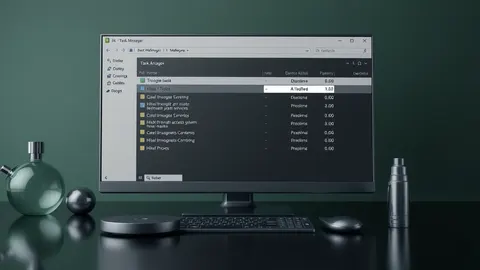
Group-IB analysis reveals KGB RAT malware steals credentials and controls Windows PCs while hiding behind familiar system process names.

A ransom note is not just a demand for payment but a technical receipt containing the unique identifier required by the attacker to unlock your specific data.
Small teams gain enterprise-grade visibility by offloading alert triage to managed providers rather than hiring full-time security analysts.

Browser hijackers exploit silent permission grants and extension loopholes to redirect traffic, often bypassing traditional antivirus scans by operating within the browser’s trusted environment.

Virtual machines create disposable environments where malware executes without harming your host system, allowing researchers to observe behaviour safely.

Our data desk analysis of public trackers shows N0N ransomware operators filed 14 unverified leak-site claims within 24 hours, leading activity for that period.

North Korean-linked actors used a trojanised Terraform provider in July 2026 to deploy FLATROOF and ROOFDECK malware across developer systems.

Hardening restricts the attack surface by removing functionality you do not need, reducing the paths malware can take to execute code.
You must isolate networks before checking backups, because attackers often place decryption keys on secondary drives during the initial breach.

Most Mac cleanup failures occur because users delete visible files while ignoring hidden processes and persistent system extensions that survive reboots.
Most Mac malware hides in plain sight by abusing legitimate system processes and disabling standard security controls rather than installing new, suspicious binaries.

Most spyware relies on voluntary permission rather than a break-in; revoking app access is the single most effective defence against data theft.

Blocking executables often bypasses control because scripts and interpreted files execute with the same privileges as native code, leaving lateral movement paths open.

Attack surface reduction rules block specific execution paths rather than scanning file content, catching zero-day exploits that signature systems miss while risking legitimate application failures.

Criminals now lease encrypted locks to amateurs, turning complex cyberattacks into standardised commercial products with shared risk.

Malvertising bypasses your caution by embedding malicious code in the supply chain of legitimate websites, meaning you can be infected simply by viewing a trusted news page.

Most small business breaches begin with a compromised personal device, not a server exploit, because employees reuse credentials across professional and private accounts.