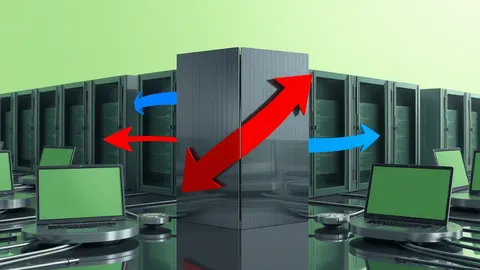
Network Segmentation for Small Business: Stop Lateral Movement
Splitting your network limits damage from a single breach by creating invisible walls between devices, stopping attackers from reaching your most sensitive data.
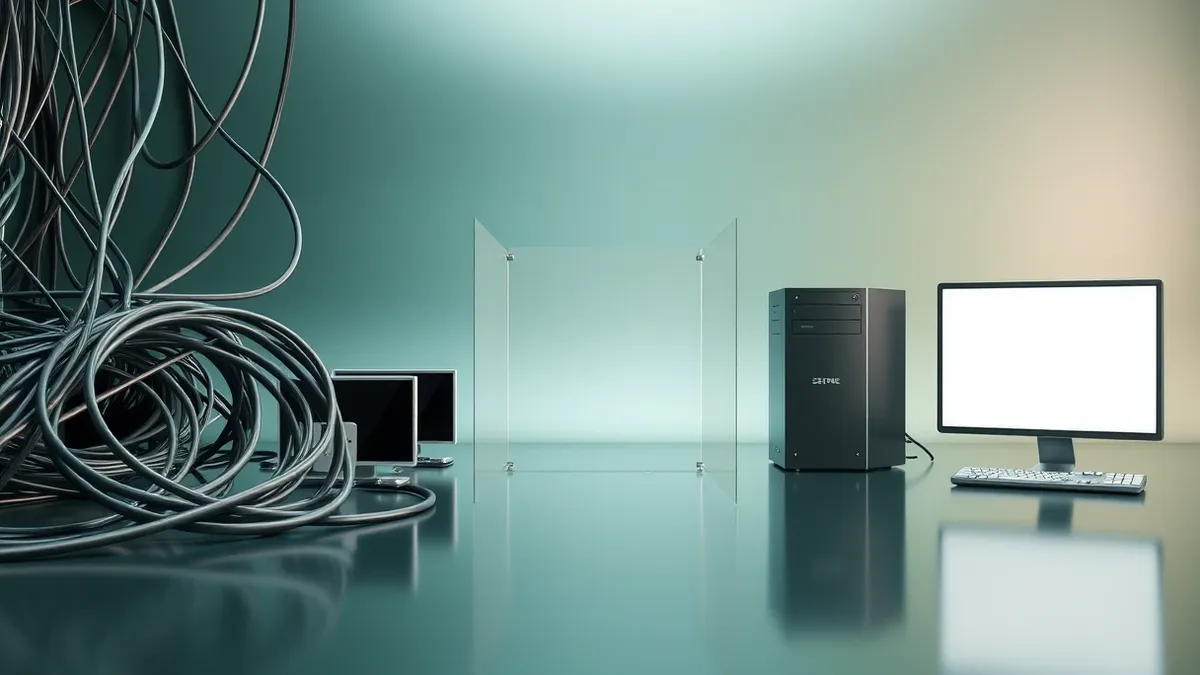
Divide your network into smaller, isolated zones using VLANs or separate routers. This prevents an attacker who compromises one device, such as a guest laptop, from accessing your main file servers or payment systems. It reduces the blast radius of any security incident.
The Illusion of a Flat Network
Most small businesses operate on a flat network. This means every device, from the CEO’s laptop to the smart coffee machine, sits on the same digital playing field. They can all talk to each other without restriction. This setup is convenient because it is easy to set up and manage. It is also dangerous.
When a hacker breaches one device on a flat network, they gain a foothold. They can then move laterally. Lateral movement is the process of an attacker moving from one compromised system to another within the same network. Because there are no barriers, the attacker can reach your most valuable assets quickly. They do not need to break into your firewall a second time. They are already inside.
Segmentation breaks this flat structure. It creates smaller, isolated segments. Traffic between these segments is controlled by strict rules. If a device in one segment wants to talk to a device in another, it must pass through a checkpoint. This checkpoint can block malicious traffic while allowing legitimate business communications.
Why Small Scale Demands Big Thinking
You might assume that only large corporations need complex network architectures. This is a common misconception. Small businesses are often softer targets because they have fewer security resources. Attackers know this. They target small firms as entry points to larger supply chains or for quick ransomware payouts.
The cost of a breach often exceeds the cost of prevention. If your point-of-sale system is on the same network as your guest Wi-Fi, a simple vulnerability in a guest device could expose customer payment data. Segmentation ensures that even if the guest network is compromised, the payment systems remain isolated. This isolation is your primary defence against lateral movement.
Furthermore, segmentation aids in compliance. Many data protection regulations require you to protect personal information. Keeping that data in a separate, restricted network zone makes it easier to demonstrate that you have taken reasonable steps to secure it. It also simplifies troubleshooting. If one segment experiences issues, it does not necessarily affect the rest of the business.
Affordable Ways to Segment
You do not need expensive enterprise hardware to start segmenting. The most common method is using VLANs. A Virtual Local Area Network allows you to create multiple logical networks on a single physical switch. You assign ports on your switch to different VLANs. For example, Port 1 to 10 might be for staff, while Port 11 to 20 are for guests.
Most modern managed switches support VLANs. These switches are affordable and widely available. You configure the switch to prevent traffic from flowing freely between VLANs. Instead, traffic must pass through a router or a firewall that enforces access rules. This is known as inter-VLAN routing.
For very small setups, you can use a consumer-grade router with multiple SSIDs. However, this is often insufficient. Many home routers do not truly isolate traffic between different Wi-Fi networks. They may share the same broadcast domain. A managed switch with proper VLAN configuration is a more reliable and professional solution.
| Protection | Cost level | Who does it |
|---|---|---|
| VLAN configuration | Low | IT provider or skilled admin |
| Managed switch hardware | Medium | IT provider |
| Firewall rule management | Medium | IT provider |
| Regular audit of segments | Low | Internal staff |
The Hidden Cost of Complexity
Segmentation introduces complexity. Every rule you write is a potential point of failure. If you configure a rule incorrectly, you might block legitimate business traffic. For instance, if you isolate your print server too strictly, staff may not be able to print. This leads to "shadow IT" workarounds, where employees use personal devices or cloud services to bypass restrictions.
Another hidden cost is the management overhead. As your business grows, you will add more devices and services. Each addition requires updating your segmentation rules. If you fail to update these rules, your security posture degrades. You might leave a legacy service exposed because you forgot to move it to a secure segment when it was retired.
This is where cyber hygiene becomes critical. Just as you clean your physical workspace, you must regularly clean your network configuration. Remove unused accounts, disable unused ports, and review firewall rules quarterly. Neglecting this maintenance turns your segmentation from a shield into a tangled mess that hinders operations and security.
What to Delegate to Experts
Configuring VLANs is straightforward. Configuring the firewall rules that govern traffic between them is not. This is where you should delegate. A misconfigured firewall rule can open a backdoor to your internal systems. It can also break critical applications that rely on specific ports or protocols.
Consider intrusion detection systems as part of this delegation. These systems monitor network traffic for suspicious activity. They need to be tuned to your specific network environment. If they are not tuned correctly, they will generate false alarms, causing alert fatigue. An IT provider can set these systems to ignore normal background noise while flagging genuine threats.
You should also delegate the design of your segmentation strategy. An expert can identify which assets are most critical and which devices pose the highest risk. They can design a segmentation plan that balances security with usability. This initial investment saves you from costly mistakes down the line.
See also: Zero-Day Vulnerabilities: Risks and Protection for Small Businesses · IoT Vulnerability Lifecycle: From Physical Access to Data Theft
Questions for Your IT Provider
When hiring an IT provider to help with segmentation, ask specific questions. Do not accept vague promises. You need to understand their approach and your responsibilities.
- How will you isolate guest devices from our internal servers?
- What happens if a critical application needs to communicate across segments?
- How do you monitor traffic between segments for unusual activity?
- Can you provide a diagram of our network segments?
- How often will you review and update our segmentation rules?
These questions ensure that your provider has a clear plan. They also help you understand the trade-offs involved. Security often comes at the cost of convenience. You need to know where those trade-offs lie.
Integrating Other Defences
Segmentation is not a standalone solution. It works best when combined with other security measures. For example, if an attacker uses email spoofing to trick an employee into clicking a malicious link, segmentation limits the damage. The malware may infect the employee’s laptop, but it cannot easily spread to the finance server.
Similarly, if you use secure email gateways to filter malicious emails, segmentation provides a second layer of defence. If a malicious email slips through the gateway, segmentation stops it from causing widespread harm. This layered approach, known as defence in depth, significantly reduces your risk.
Be aware of evil twin Wi-Fi attacks, where attackers create a fake Wi-Fi network with the same name as yours. If your employees connect to this fake network, they may bypass your segmentation. Ensure that your network authentication is robust. Use strong passwords or certificate-based authentication for staff networks. This prevents attackers from impersonating your network and gaining access to your internal segments.
Key takeaways
- Segmentation stops attackers from moving sideways across your network after an initial breach.
- You can achieve basic protection using software-defined VLANs on affordable managed switches.
- Complex routing rules and ongoing monitoring should be delegated to a specialist to avoid configuration errors.
Network segmentation limits the damage of a breach by isolating critical assets from general traffic. Start by configuring VLANs on a managed switch and delegate firewall rule management to an expert.
Frequently asked questions
Does network segmentation slow down my internet?
Properly configured segmentation does not significantly impact internet speed. It only restricts internal traffic between segments, not external internet access.
Can I do network segmentation myself?
Basic VLAN setup is possible for tech-savvy users, but firewall rule configuration should be done by a professional to avoid security gaps or outages.
How often should I review my segmentation?
Review your segmentation rules at least quarterly or whenever you add new services, change network hardware, or experience a security incident.
Is cloud-based segmentation different?
The principles are the same, but the tools differ. Cloud environments use software-defined perimeters and virtual firewalls instead of physical switches.
How this guide was produced: written by the DarkWeb Dispatch editorial team with AI assistance, checked against the public references listed below, and reviewed when the facts change. See our editorial policy or report an error.