
Cloud Security
Detect Cloud Privilege Escalation: Log Signals and Blind Spots
Privilege escalation often hides in routine service account behaviour, requiring correlation between identity logs and resource changes to reveal the attack chain.
Everything DarkWeb Dispatch has reported about cloud security: 12 stories, newest first. Part of our Cloud Security coverage.
Privilege escalation often hides in routine service account behaviour, requiring correlation between identity logs and resource changes to reveal the attack chain.
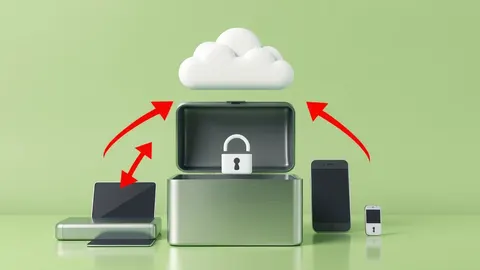
Most cloud data leaks stem from default settings that expose storage buckets to the public internet without authentication or encryption controls.

Policy as code shifts security checks from human review to automated machine validation, catching configuration errors before they reach production environments.

Effective bot management relies on behavioural analysis rather than simple signature matching, ensuring legitimate automation is not blocked while malicious scripts are denied access.

Microsegmentation isolates individual workloads using software-defined policies, whereas traditional segmentation relies on network zones and perimeter firewalls to control traffic flow.

You control the data and identity inside the cloud, but the provider owns the physical infrastructure and underlying operating systems, creating a boundary many organisations miss.

Applying least privilege correctly requires mapping data flows, not just restricting user roles, because automated services often hold more power than human operators.

Identity management handles user access, while privilege management secures the temporary elevation of rights required for administrative tasks.

Most MFA failures occur not because the technology is broken, but because the implementation bypasses the authentication step for machine-to-machine traffic.

Attackers bypass network rules by targeting the metadata endpoint directly from within the compromised instance, rendering external firewalls useless.

Microsegmentation isolates workloads at the application level, ensuring a breach in one service cannot spread to others, even if the perimeter is breached.

Replace your password chaos with one secure entry point. See how single sign-on reduces risk while keeping your accounts separate and safe.